
SOLUTIONS FOR
Houses of Worship
Crystal-clear audio, worship lighting, and live streaming for mosques, churches, and prayer spaces.
Audio clarity is everything in a house of worship. Whether it's the call to prayer, a sermon, or a musical performance, every word and note must reach every member of the congregation clearly and with dignity. ProLab specialises in acoustic design and sound system installations for mosques, churches, prayer halls, and multi-faith venues — prioritising speech intelligibility above all else.
Beyond audio, we install worship lighting systems that support the atmosphere of sacred space — from warm, gentle architectural lighting to dynamic systems for special services and celebrations. Our live streaming and video production installations allow congregations to broadcast services to remote communities worldwide, with a quality and professionalism that reflects the importance of the message.
ProLab has designed and installed AV systems in mosques, churches, and community worship centres across the UAE, with deep respect for the acoustic and aesthetic requirements of each faith tradition.
ABOUT HOUSES OF WORSHIP SOLUTIONS
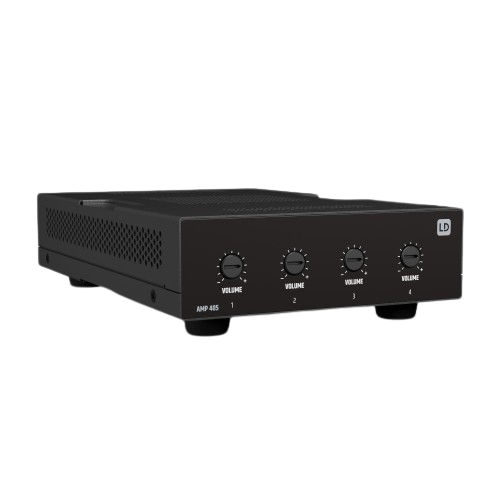
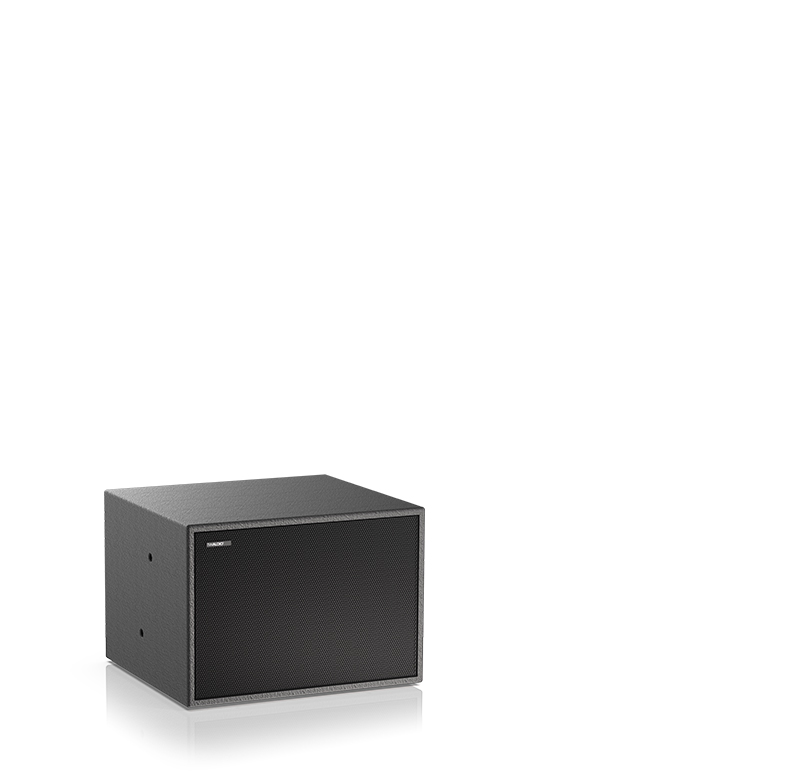
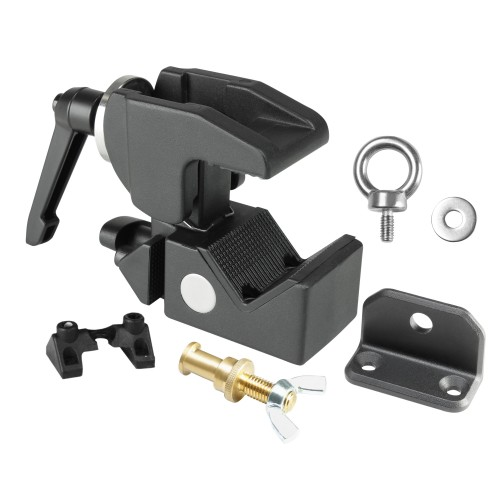
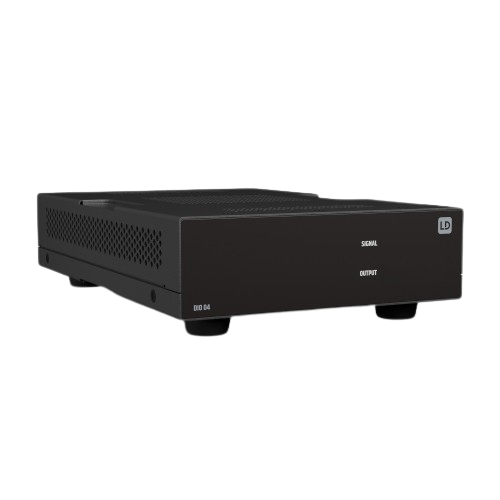
HOUSES OF WORSHIP APPLICATIONS
FAQS
Speech intelligibility refers to how clearly and accurately spoken words can be understood by a listener. It is measured using the Speech Transmission Index (STI), where a score of 1.0 is perfect and scores below 0.5 indicate poor intelligibility. In a worship environment, intelligibility is the primary objective - a technically impressive sound system that cannot deliver clear speech fails at its most important function. Intelligibility is affected by room acoustics (particularly reverberation time), speaker directivity, SPL levels, and background noise. Highly reverberant spaces like stone mosques and churches are acoustically challenging and typically require directional speaker systems with DSP processing to achieve acceptable STI scores.
Column speakers use a vertical array of small drivers to create a narrow vertical dispersion pattern, similar in principle to a line array. This directivity allows the speaker to project sound toward the seated congregation while minimising energy directed at reflective walls, ceilings, and floors - which significantly improves speech intelligibility in reverberant spaces. Traditional box speakers radiate sound in a wider vertical pattern, which increases room reverberation and reduces clarity. Modern digitally steerable column speakers (such as those from Renkus-Heinz, d&b audiotechnik, and Bose) allow the vertical beam angle to be electronically adjusted during commissioning, enabling precise targeting of the audience even in architecturally complex spaces.
Live streaming a worship service requires a camera or cameras (PTZ cameras are popular for worship because they can be repositioned remotely without crew movement during services), a streaming encoder (hardware or software), a stable internet connection, and an audio feed from the existing sound system. For higher production quality, a vision mixer enables cutting between multiple camera angles, and a graphics system can add service titles or translations as lower-thirds. Streaming platforms such as YouTube Live, Facebook Live, or a dedicated congregation app receive the stream for distribution to remote worshippers. Audio quality is typically the most critical factor for audience comprehension.
Large worship spaces - particularly those built from stone, concrete, marble, or tile - are among the most acoustically challenging environments for audio systems. Hard, parallel surfaces produce long reverberation times (RT60) of 3-8 seconds or more, which smears speech into unintelligibility as each syllable blends with the reflections of previous ones. High vaulted ceilings create focusing reflections. Solutions include careful speaker selection and placement to target the congregation directly, digital signal processing (DSP) for equalisation and delay alignment, and in some cases acoustic treatment materials to reduce RT60 - though this must be balanced against architectural and aesthetic constraints. A room acoustic measurement and modelling study should precede any speaker specification in these environments.