
SOLUTIONS FOR
Government & Public Sector
Mission-critical AV for government facilities, command centres, and public infrastructure.
Government and public sector AV demands the highest standards of reliability, security, and longevity. ProLab has extensive experience delivering mission-critical audio and visual systems for federal and local government entities, public infrastructure operators, and smart city initiatives across the UAE.
Our government portfolio covers command and control room display walls, public address and voice alarm systems, emergency communication networks, and outdoor smart city digital displays. All systems are specified for continuous 24/7 operation, comply with applicable UAE safety and communications standards, and are supported by rigorous documentation and commissioning procedures.
We understand the procurement processes, security requirements, and performance expectations of the public sector — and we have the project management capability to deliver complex, multi-site programmes on time and within specification.
ABOUT GOVERNMENT & PUBLIC SECTOR SOLUTIONS
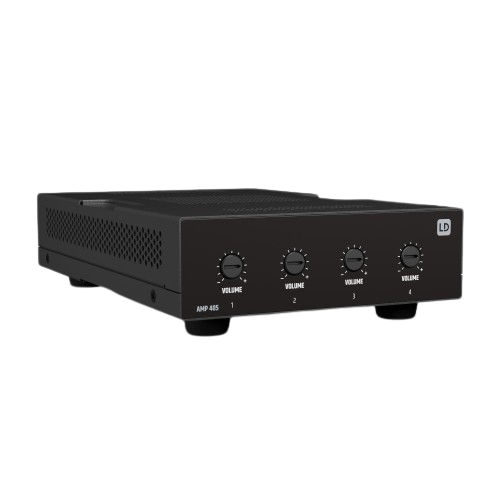
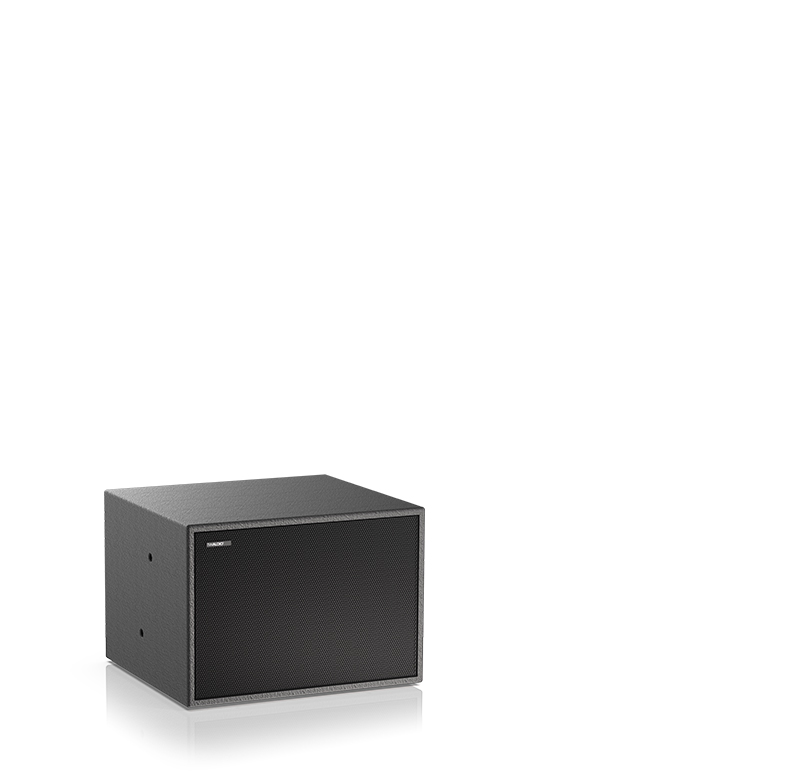
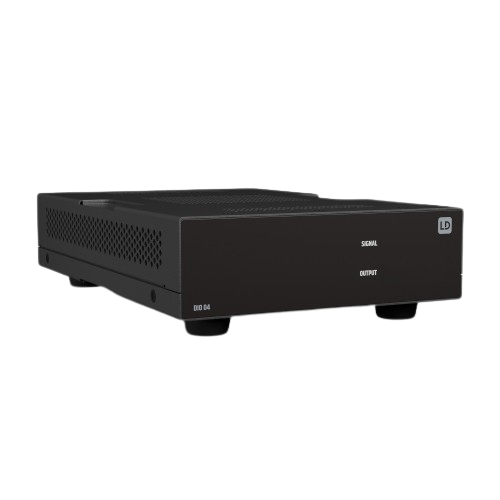
GOVERNMENT & PUBLIC SECTOR APPLICATIONS
FAQS
A voice alarm (VA) system is a life-safety communication system that uses pre-recorded voice messages and live announcements to direct building occupants in an emergency - such as a fire, evacuation, or security incident. Unlike a standard PA system, voice alarm systems are designed to meet specific life-safety standards (EN 54-16 and EN 54-24 in Europe; IEC 60849 internationally) which mandate fault tolerance, automatic monitoring, failover switching, and defined acoustic performance levels. In the UAE, VA systems in public buildings must comply with UAE Civil Defence requirements. Standard PA systems are suitable for general announcements and background music but are not classified for emergency use.
Command and control rooms use display technology designed for 24/7 continuous operation and mission-critical visibility. Video walls are the most common solution, built from either narrow-bezel LCD panels (with bezels as thin as 1.8mm per side) or direct-view LED tiles for seamless, high-brightness surfaces. The display wall is driven by a video wall controller or processor that can accept multiple simultaneous inputs - camera feeds, data systems, GIS maps, video conferencing - and arrange them as operator-defined windows across the full display surface. Displays used in control rooms are rated for 24/7 operation, carry extended warranties, and are specifiable with front-access servicing for reliability in critical environments.
Public address and voice alarm systems in public buildings are governed by international and national life-safety standards. The most widely referenced international framework is EN 54 (Fire Detection and Fire Alarm Systems), specifically EN 54-16 (voice alarm control and indicating equipment) and EN 54-24 (loudspeakers). IEC 60849 covers sound systems for emergency purposes more broadly. In the UAE, the relevant authority is UAE Civil Defence, which mandates compliance with approved standards for all life-safety systems in public, commercial, and government buildings. System designers must demonstrate compliance through documentation, commissioning records, and third-party certification where required.
KVM (Keyboard, Video, Mouse) switching allows operators to control multiple computers from a single workstation - keyboard, monitor, and mouse - by switching between sources, or in advanced systems, by accessing any computer on the network from any operator station. In a government control room, KVM over IP extends this capability across the entire network, allowing any operator at any console to access any authorised system without needing a dedicated PC at each seat. This reduces hardware costs, simplifies cable management, improves security by centralising compute in a secure equipment room, and allows flexible operator assignment during shift changes or incident response.